
# Buy Pallet Stock: A Practical Guide for UK Buyers
Pallet stock is one of the easiest ways to buy branded and unbranded goods at a fraction of the original trade price. Whether you run a market stall, an online store, an exporter's warehouse or a discount retail chain, buying by the pallet can transform your margins — but only if you know what you're doing. Here's how experienced UK buyers approach it.
What is pallet stock?
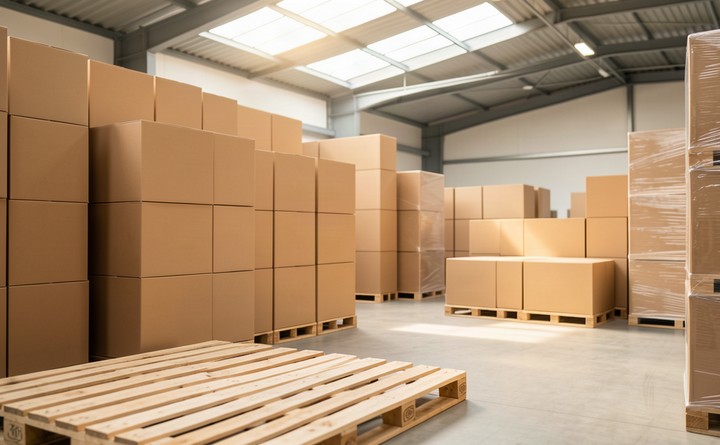
Pallet stock is merchandise sold loaded on a pallet, usually pulled straight from a warehouse during a clearance, liquidation or overstock clearance. A single pallet might contain anything from 50 to several hundred units depending on the product type. Typical sources include bankrupt stock from closed businesses, end-of-line stock from retailers clearing ranges, and excess inventory from brands and wholesalers who need warehouse space fast.
Because the goods are sold in bulk and quickly, prices often land at 20–40% (sometimes less) of the original wholesale value. That gap is where the buyer's profit lives.
The rules of buying pallet stock well
**Know the grade before you commit.** Reputable sellers will tell you whether a pallet is customer returns, shelf pulls, or unmanifested surplus. Unmanifested stock is cheapest but riskiest; shelf pulls of branded goods are usually the sweet spot.
**Check the manifest — or accept the gamble knowingly.** A manifested pallet lists what should be on it. Always compare the manifest value against the asking price, not the retail value. A pallet advertised at "£4,000 retail" might have a realistic resale value of £900.
**Factor in de-branding and channels.** Branded stock can carry restrictions on where it may be resold. If you plan to export or sell online, confirm what's permitted. Some buyers specifically look for stock they can de-brand or sell into non-competing channels — that's a legitimate and common trade.
**Price the logistics in.** Delivery, pallet storage and the time to sort and list goods all eat into margin. A pallet that looks like a bargain at £300 can quickly become less attractive once you've spent two days processing 400 units.
**Buy from a trade seller, not a gamble.** Established clearance specialists inspect, group and describe stock honestly, and can supply consistently — which matters if you're building a repeat business rather than doing a one-off flip.
Where the stock comes from
Understanding the supply side helps you buy better. Businesses of every size end up holding stock they can't shift: a retailer over-orders for a season that didn't happen, a distributor loses a contract, a company goes into administration with a warehouse full of goods. Liquidators and clearance traders buy this stock in bulk, then break it down into pallets for smaller buyers. Because the original owner needs cash — not shelf life — the price reflects urgency, not retail value.
Is pallet buying right for you?
If you can store a pallet, sort mixed goods, and sell through markets, online marketplaces, wholesale channels or export, the answer is usually yes. Start with one pallet from a trusted source, learn how the grading works, and scale up as you learn what your customers actually buy.
How aPlush can help
At aPlush we buy and sell unwanted stock of every kind — bankrupt stock, liquidation stock, wholesale clearance and end-of-line ranges — from our warehouse in central London. We can supply pallet stock to trade buyers in the UK and internationally, and we buy surplus stock from businesses that need it gone.
If you're looking to buy pallet stock, or you have surplus merchandise you'd like to turn into cash, call us on 01277 811220 or send us your stock list — we'll come back to you with a straightforward, no-obligation offer.